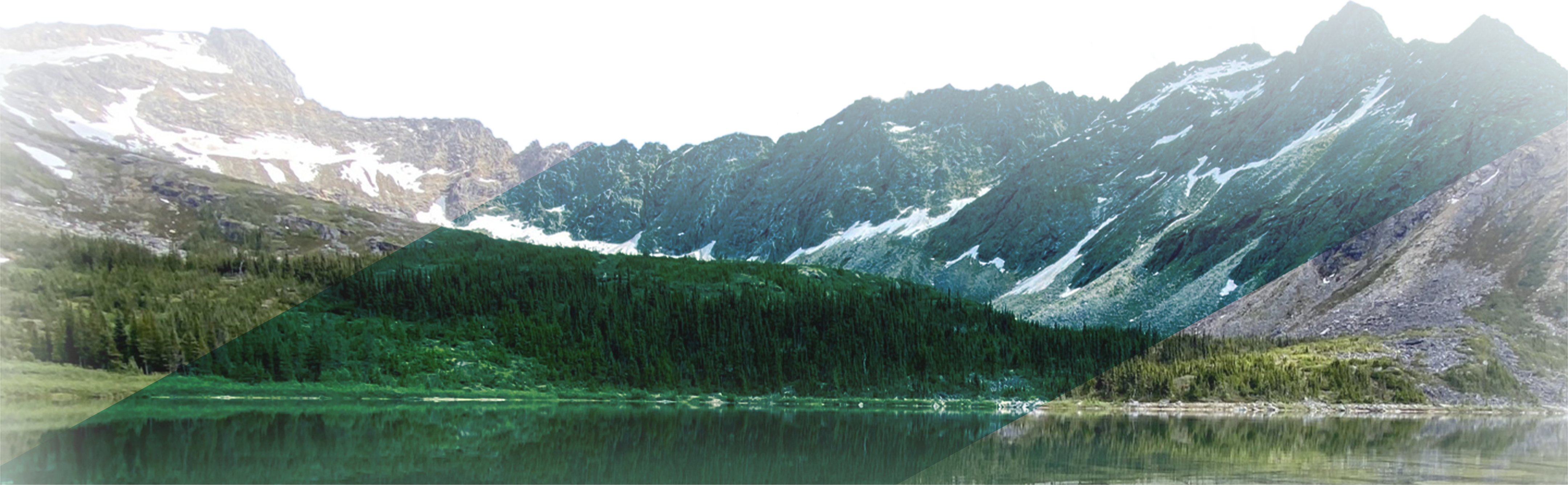



High above the inlets and peaks of Southeast Alaska, where wind-whipped waters crash against steep moutainsides, the Lingít name Shg̱agwéi (pronounced “SH-gah-gway”) reveals its profound meaning. Often translated as “home of the north wind”, “roughed up water” or “whitecaps,” researchers now suggest it also means “heartwood place,” or “place of solid core trees” referring to the tough, solid core of driftwood found on Taiya Inlet shores.
This isn’t just linguistic nuance—it’s a tribute. Lingít descriptions of this place which were important for navigation for 10,000 years prior to Western contact. Saying Shg̱agwéi roots us in both the history and ecology—far richer than the English name Skagway which doesn’t mean anything at all.
On the Trails: Lingít Names You’ll Hike Through
As you traverse Skagway’s trails the land unfolds through Lingít storytelling:
Denver Glacier - Jánwu Sítʼi (Mountain Goat Glacier)
Skagway River - Shg̱agwei Héeni (Skagway River)
AB Mountain - Núkdi Shaa (Grouse Mountain)
Yakutania Point – Yaakwdeinyaa (Canoe Trail Area)
Upper Dewey Lake - Dikée Áa (Upper Lake)
Each name isn’t merely a label—they convey geological events, ecology, and heritage, and create a living tapestry of place-based memory.
Why Restoring Lingít Names Matters
1. Reconciliation
Colonization erased both traditional land used and original place names. Restoring Lingít names like Shg̱agwéi and Deiyáa acknowledges Indigenous sovereignty and works against historical cultural erasure.
2. Language Revival
Lingít is critically endangered—once counted at ~5,000 speakers, today fewer than 10 fluent speakers remain. Every name revived, every sign posted, every tongue guided toward proper pronunciation is a vital step in restoring this ancestral tongue.
3. Cultural Connection to Land
English names often conceal layered meanings. Knowing Yaakw Deiyá.a̱a is “where canoes were packed” reconnects us with Indigenous practices of travel and trade across these landscapes, layering meaning back into trails once named only for convenience.
How to Engage Respectfully
Use our bilingual trail maps & signs: Expect to see Lingít names appearing alongside English on trail maps and some signs. Since there are sounds in the Lingít language that do not exist in the English language, pronunciation can be challenging and can take time. If you’d like to practice, you can find pronunciation for the names listed on Explore Skagway’s trail maps on Skagway Traditional Council’s website under “resources” thanks to this joint language revitalization initiative.
https://www.skagwaytraditional.org/cultural-resources
In Closing: Walk in Their Names
When you set foot in Skagway, remember that speaking Shg̱agwéi roots you back in the climate and environmental identity of this place since time immemorial. Learning Deiyáa reconnects you to a canoe portage trodden centuries ago.
By embracing Lingít place names, we do more than rename places—we mend relationships with the land, support language survival, and honor the peoples whose voices gave these landscapes their first names.
Gunalchéesh—thank you—for walking in respect and recognition. Welcome to Shg̱agwéi, Trail Walkers.